
.webp?alt=media&token=51caf7f2-43fe-4d09-b1b3-268a598222b3)
Low Temperature Thermoplastic (LTTP) Sheets
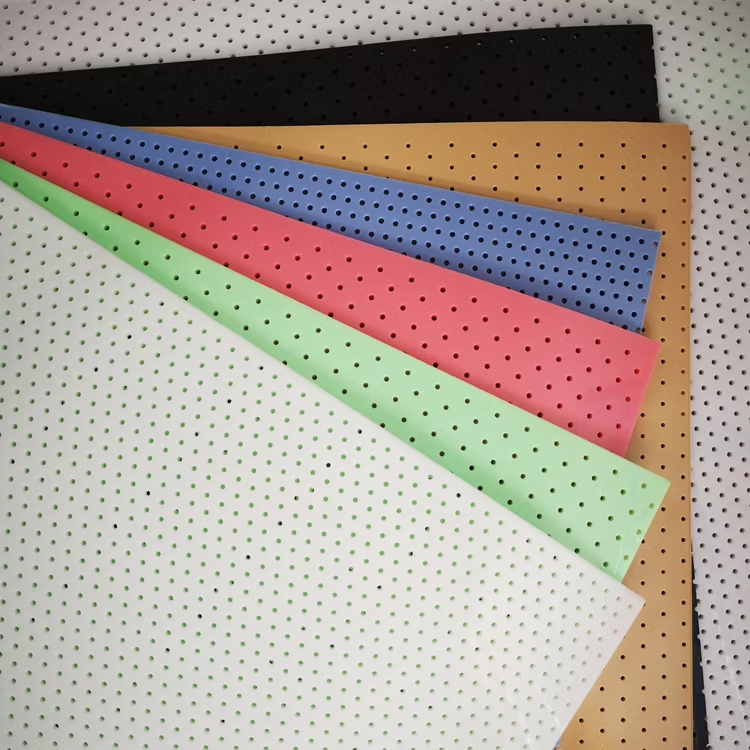
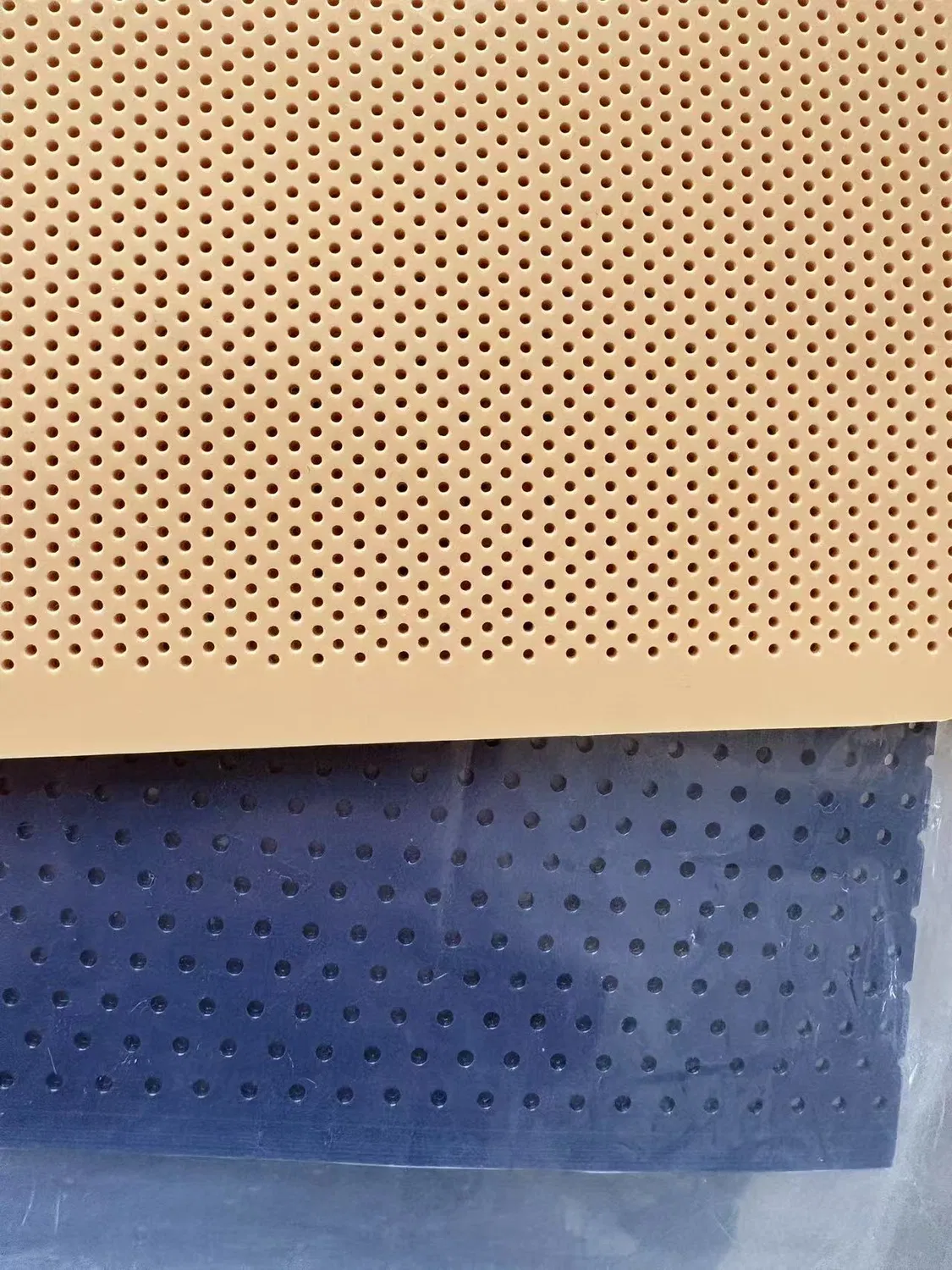
Custom-fittable thermoplastic sheets for splints and braces. Easy to mold and apply for perfect immobilization and support.
Common Uses
- - Custom splints and braces
- - Fracture and injury immobilization
- - Hand therapy and rehabilitation support
- - Burn, orthopedic, and post-surgical splinting
Key Benefits
- - Moldable at low temperature for custom fitting
- - Useful for partial or full immobilization
- - Can be reshaped for adjustments
- - Suitable for clinical rehabilitation workflows
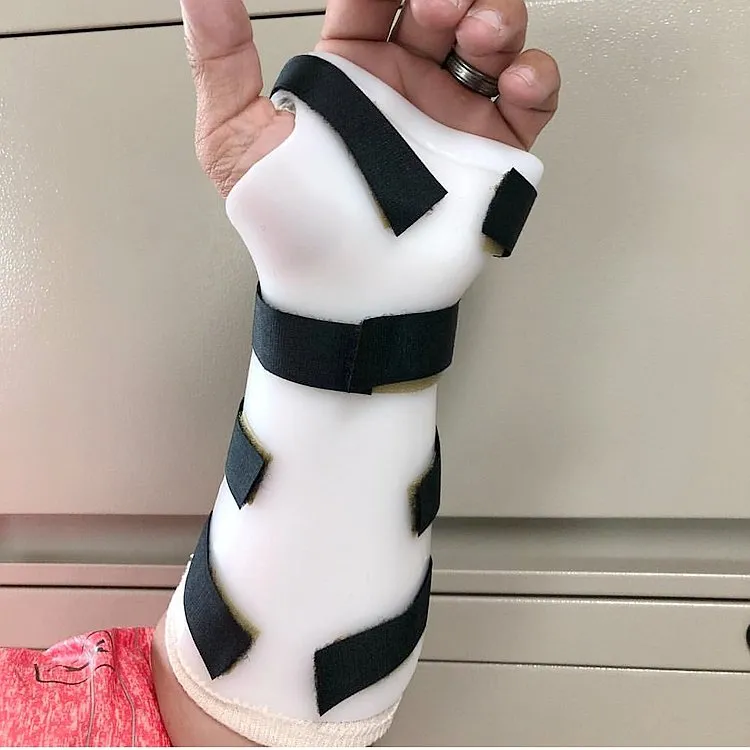
Low temperature thermoplastic (LTTP) sheets offer the ideal solution. These sheets are widely used to make custom splints and braces that partially or totally immobilize a body part.
Custom fitted splints and braces are formed from thin, flat thermoplastic sheets. Once heated in hot water, these sheets become soft and pliable. They can then be trimmed and molded around the required body part for a close custom fit. The thermoplastic splint is latex-free and compatible with MRI and CT scan workflows.
Application Field:
- Orthopedics
- Rehabilitation hospital
- Burn department
- Aesthetic and Reconstructive Plastic Surgery
- ENT department
- First Aid & Emergency
How to use?
- Adjust the water bath to about 70 C and place the sheet in hot water for 2-3 minutes.
- Once the sheet becomes soft and pliable, place it on a soft cloth and dry the surface.
- Mold it according to the body part. Hook-and-loop straps can help hold the splint in place, while padding or liner materials can improve comfort.
- Allow the molded splint to cool and set for around 10 minutes.
- The material can be reheated and remolded when clinical adjustment is needed.
Attention:
- Keep the water temperature around 65 C-70 C. Avoid temperatures above 80 C, as excessive heat may deform the sheet.
- Do not leave the sheet in hot water for too long. In general, 2-3 minutes is enough to soften the material.
- When the room temperature is above 20 C, the softened sheet may remain workable for around 1.5-3 minutes.
- For orthopedic splints, avoid excessive stretching after activation because it can affect reshaping and memory performance.
- To return a molded splint closer to its original flat state, place it in hot water around 65 C-70 C and allow it to rebound gradually.
- Small sticky areas can appear during activation. Allow the material to cool and set instead of pulling it forcefully.
- Storage in room temperature is enough.
- Store sheets at room temperature and follow supplier guidance for disposal.
Frequently Asked Questions
How do I know if low temperature thermoplastic sheets is right for me?
Our team checks your condition, measurements, comfort needs, and daily activity before recommending a product. Please book an enquiry so a clinician can guide the right fit.
Can I get this product fitted at OrthoVista Rehab in Delhi?
Yes. OrthoVista Rehab provides product assessment, fitting support, and follow-up guidance from our clinic in Sarita Vihar, New Delhi.
Do you provide customisation?
Many orthotic and prosthetic products can be customised after assessment. The exact level of customisation depends on the product type and the user's clinical requirement.
Related Products
Dynamic Finger Flexion Splint
A dynamic splint to support and rehabilitate finger injuries, promoting controlled flexion and preventing stiffness. Available in sizes S, M, and L.
Diabetic Footwear
Specially designed footwear to protect sensitive feet. Extra depth, seamless interior, and supportive cushioning to prevent complications.
Custom-Moulded Orthotic Insoles
Custom-moulded orthotic insoles designed around your foot shape to support comfort, pressure distribution, and alignment.